

The Everest Yeti Trail Trek is a perfect blend of Himalayan adventure, authentic Sherpa culture, and peaceful mountain trails in the legendary Everest region of Nepal. Designed for travelers seeking a shorter yet immersive Everest experience, this journey takes you through charming Sherpa villages, ancient monasteries, breathtaking viewpoints, and hidden valleys far from the crowded trekking routes. From the thrilling flight to Lukla to the magical sunrise views over Mount Everest, every step of the trail offers unforgettable landscapes, warm local hospitality, and a deep connection to the heart of the Himalayas.
The Everest Yeti Trail Trek is one of the most rewarding short trekking adventures in Nepal, offering a unique opportunity to explore the Everest region beyond the classic Everest Base Camp route. This scenic journey combines natural beauty, mountain culture, and peaceful Himalayan trails into one unforgettable experience.
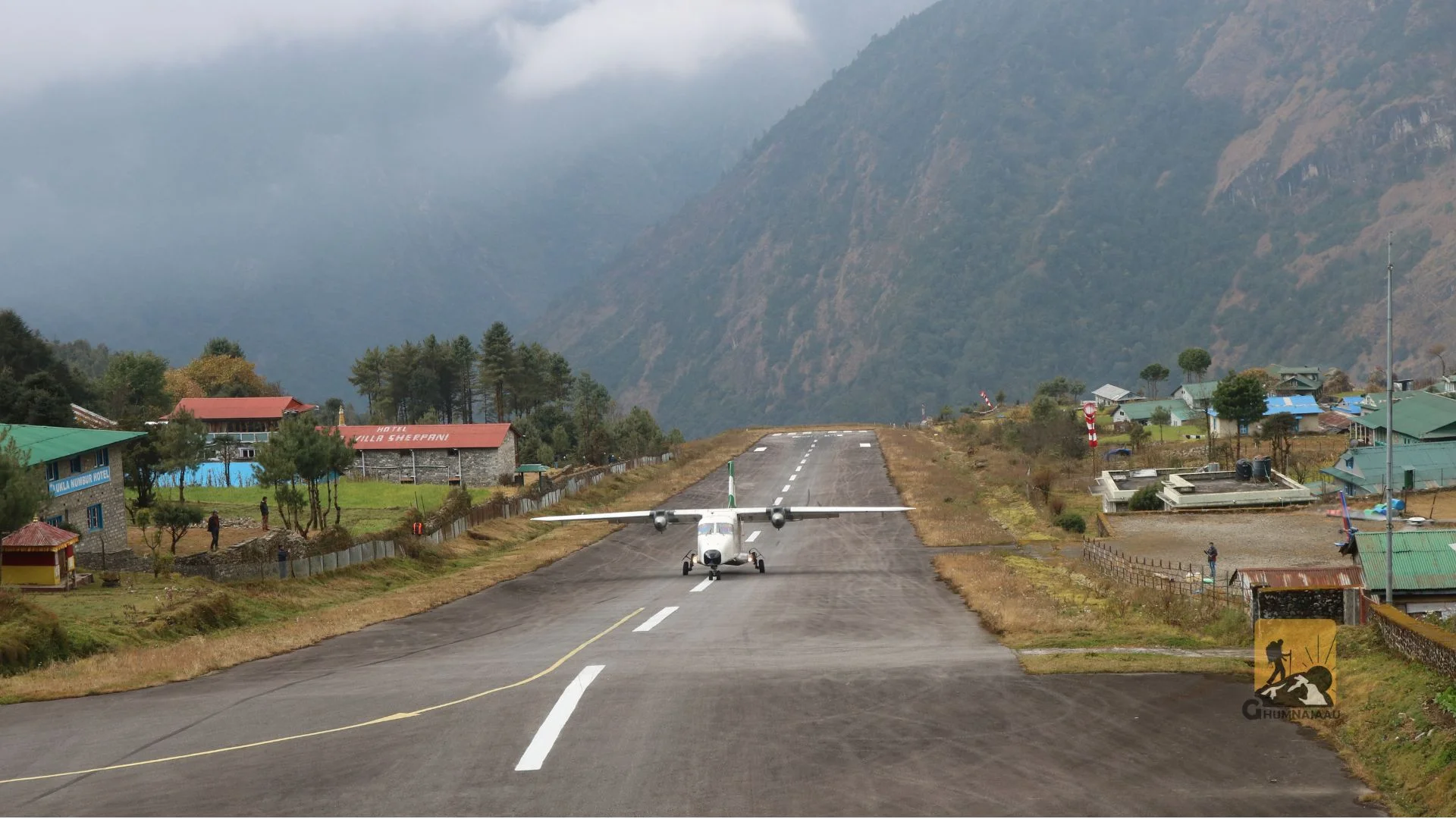
The trek begins with a breathtaking flight to Lukla, one of the world’s most thrilling mountain airports. From Lukla, the trail follows the Dudh Koshi River through beautiful pine and rhododendron forests, traditional Sherpa settlements, and suspension bridges decorated with colorful prayer flags.
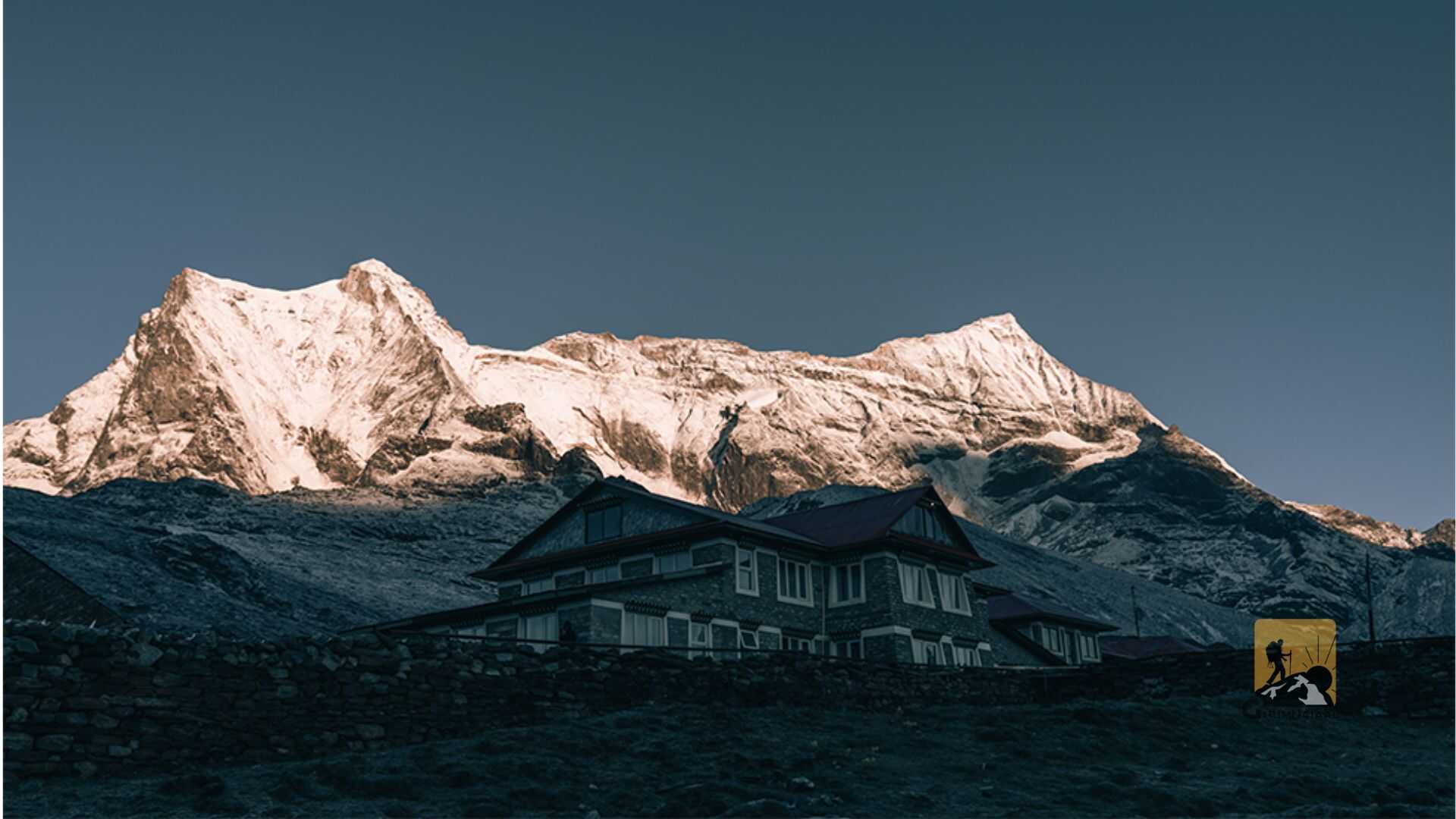
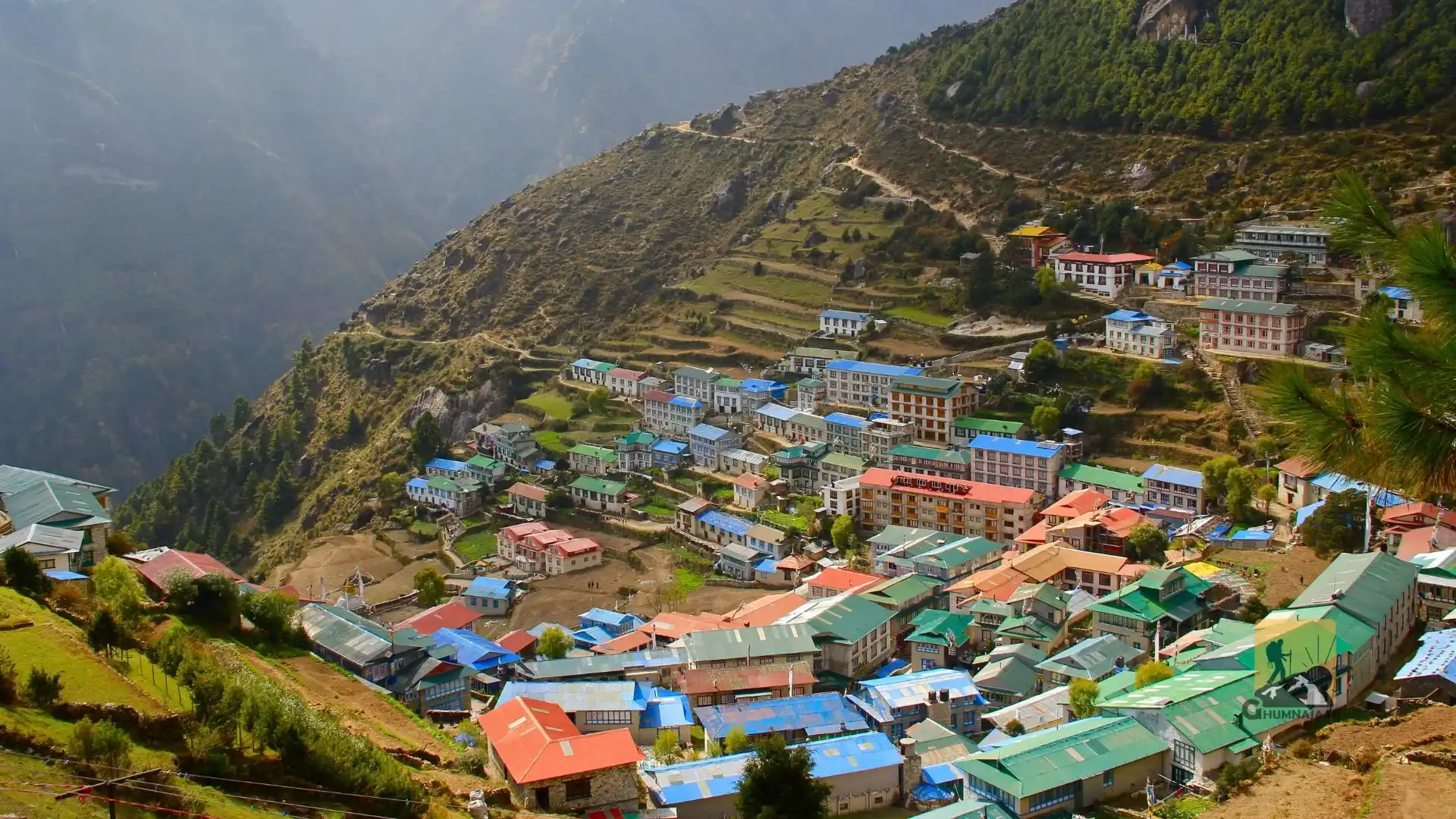
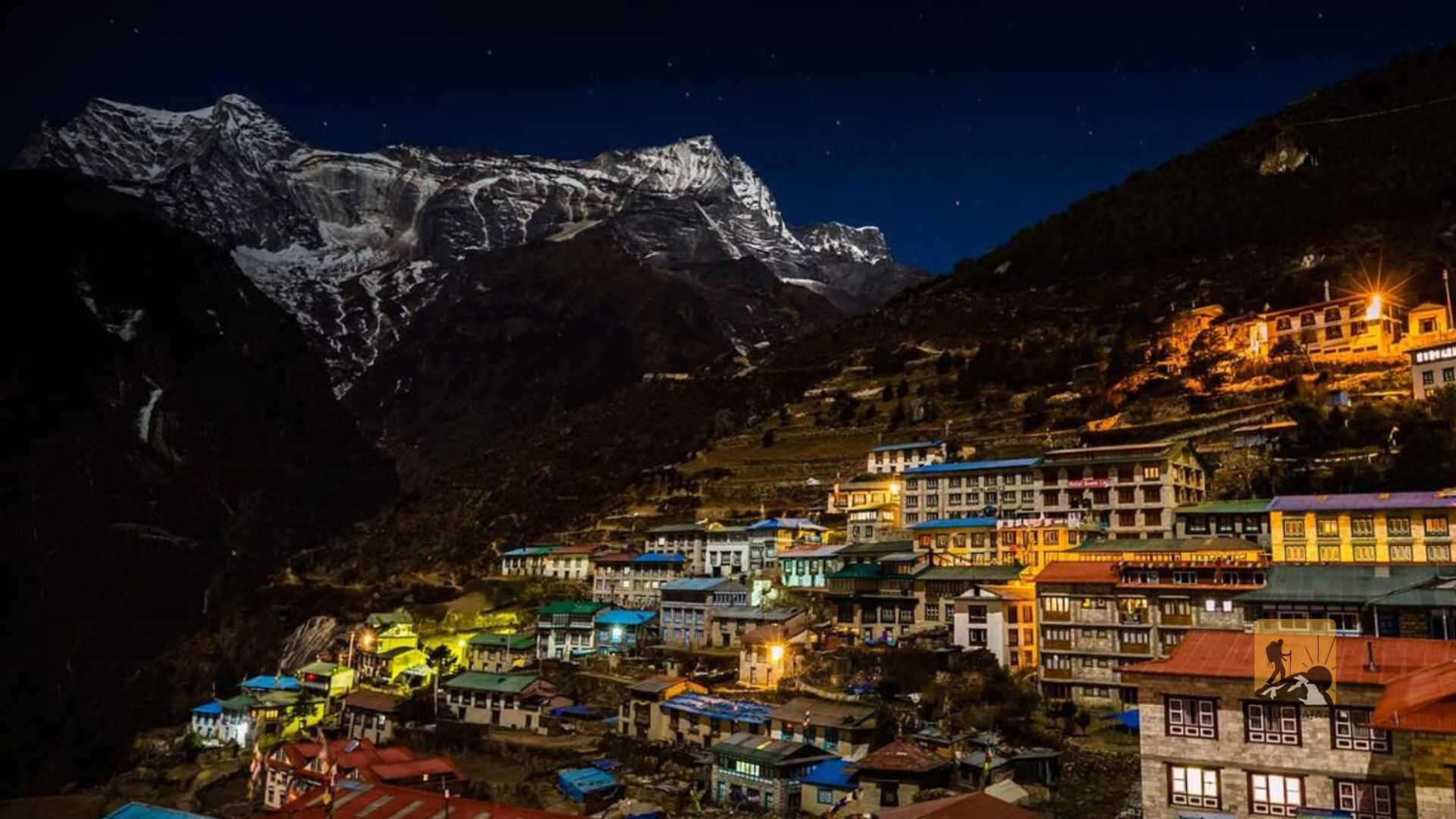
As you ascend toward Namche Bazaar, the heart of the Khumbu region, the scenery transforms dramatically with magnificent views of snow-capped peaks including Everest, Thamserku, Kusum Kangaru, Ama Dablam, and Lhotse. Namche Bazaar is not only a trading center but also the cultural hub of the Sherpa community.
The trek continues to Khumjung and Kunde villages, where travelers can experience traditional Sherpa culture, Buddhist monasteries, ancient traditions, and the famous Yeti relic preserved in Khumjung Monastery. The hike to Everest View Hotel offers one of the finest panoramic viewpoints in the Everest region.
Unlike the busy Everest Base Camp trail, this trek takes a quieter and more authentic route toward Thame and Kongde. Thame is an ancient Sherpa village rich in Buddhist heritage and known for producing legendary mountaineers. The route to Kongde rewards trekkers with dramatic ridge walks and mesmerizing Himalayan panoramas.
Throughout the journey, travelers experience diverse landscapes ranging from lush forests and alpine meadows to glacial valleys and rugged mountain terrain. The trek perfectly balances adventure, cultural immersion, and natural beauty, making it ideal for travelers looking for a shorter Everest trekking experience without compromising on Himalayan magic.
The Everest Yeti Trail Trek stands out as a unique alternative to the crowded Everest Base Camp route. It is specially designed for travelers who want to experience the beauty of Everest while enjoying peaceful trails, authentic local culture, and comfortable trekking days.
What Makes This Trek Special?
Day 01: Arrival in Kathmandu (1,350m) - Trek briefing and preparation
Day 02: Fly to Lukla (2,860m) & Trek to Phakding (2,610m) - 35min flight + 3-4 hrs walk (7-8km)
Day 03: Trek to Namche Bazaar (3,440m) - 6-7 hrs (10-12km)
Day 04: Acclimatization Day – Everest View Hotel & Khumjung (3,880m)- 3-4 hrs.
Day 05: Trek to Thame (3,820m) - 5-6 hrs (9-10km)
Day 06: Trek to Kongde (4,250m / 13,944ft)/6-7 8hrs (8-9km)
Day 07: Descend to Phakding (2,610m)- 6 hrs (13-14km)
Day 08: Trek to Lukla (2,860m) - 3-4hrs (7-8km)
Day 09: Fly Back to Kathmandu - 35min flight
Day 10: Departure / Leisure Day
The Everest Yeti Trail Trek is considered a moderate-level trek suitable for beginners with good physical fitness and experienced trekkers alike.
Trekkers should be prepared for:
Although this trek does not reach extreme altitudes like Everest Base Camp, proper acclimatization is still important to minimize altitude sickness risks.
Recommended preparation includes:
Accommodation during the trek is mainly in traditional teahouses and mountain lodges operated by local Sherpa families.
Accommodation Features
Meals Available
Trekkers can enjoy a variety of local and international meals including:
Meals are freshly prepared and provide enough energy for trekking days.
The Everest Yeti Trail Trek offers rich cultural experiences in the homeland of the Sherpa people. Travelers will visit ancient Buddhist monasteries, spin prayer wheels, and observe colorful prayer flags fluttering across mountain passes.
The villages of Namche, Khumjung, and Thame showcase authentic Sherpa traditions, hospitality, and mountain lifestyles that have remained unchanged for generations.
Cultural experiences include:
Major festivals like Mani Rimdu may also be experienced during certain seasons.
Kathmandu to Lukla Flight
The trek begins with a scenic domestic flight from Kathmandu or Manthali to Lukla.
Flight Duration:
Trekking Transportation
Ready to explore the hidden valleys, ancient Sherpa villages, and breathtaking Himalayan landscapes of the Everest region? Join the Everest Yeti Trail Trek with Ghumnajaau and experience a perfect combination of adventure, culture, and mountain beauty.
Contact us today for customized itineraries, group bookings, and special trekking offers. Let your unforgettable Himalayan journey begin with us!
Arrive at Tribhuvan International Airport, Kathmandu, where our representative will warmly welcome you and assist with hotel transfer. In the evening, attend a short trek briefing and get to know your guide and group members.
Your adventure begins with a scenic 35-minute flight from Kathmandu (or 20-minute from Manthali) to Lukla, the gateway to Everest. After meeting the trek crew, you’ll start your gentle trek through pine forests, Sherpa villages, and prayer wheels, following the Dudh Koshi River to Phakding.
After breakfast, continue north across suspension bridges draped with prayer flags. Enter Sagarmatha National Park at Monjo, then ascend through forests of rhododendron and magnolia to reach the vibrant Sherpa capital, Namche Bazaar. Enjoy your first view of Mt. Everest en route.
Today is an acclimatization and exploration day. Hike to Everest View Hotel (3,880m) for breathtaking panoramas of Everest, Lhotse, Ama Dablam, and Thamserku. Visit the Sherpa Museum and explore the nearby Khumjung Village, home to the famous “Yeti Skull.”
Leaving the bustling Namche, the trail winds through peaceful forested paths along the Bhote Koshi River. You’ll pass small settlements, mani walls, and ancient stupas before reaching Thame, one of the oldest Sherpa villages and home of many Everest summiteers. Visit Thame Monastery for a serene sunset view.
This adventurous day leads you on a high ridge trail to Kongde, a serene village offering panoramic views of Everest, Lhotse, Ama Dablam, and Cho Oyu. The trail is steep in sections but rewards you with unparalleled scenery.
After breakfast, descend through alpine meadows and rhododendron forests, following the Dudh Koshi River valley. The descent offers picturesque landscapes and refreshing views before reaching Phakding.
Retrace your steps along the Dudh Koshi River, crossing hanging bridges and charming Sherpa settlements. Arrive in Lukla for a farewell dinner and celebration with your crew.
Take an early morning scenic flight back to Kathmandu. Upon arrival, transfer to your hotel and enjoy a relaxed afternoon in Thamel or visit local heritage sites.
Enjoy a leisurely morning, explore markets, or take an optional sightseeing tour. Later, transfer to the airport for your international departure.
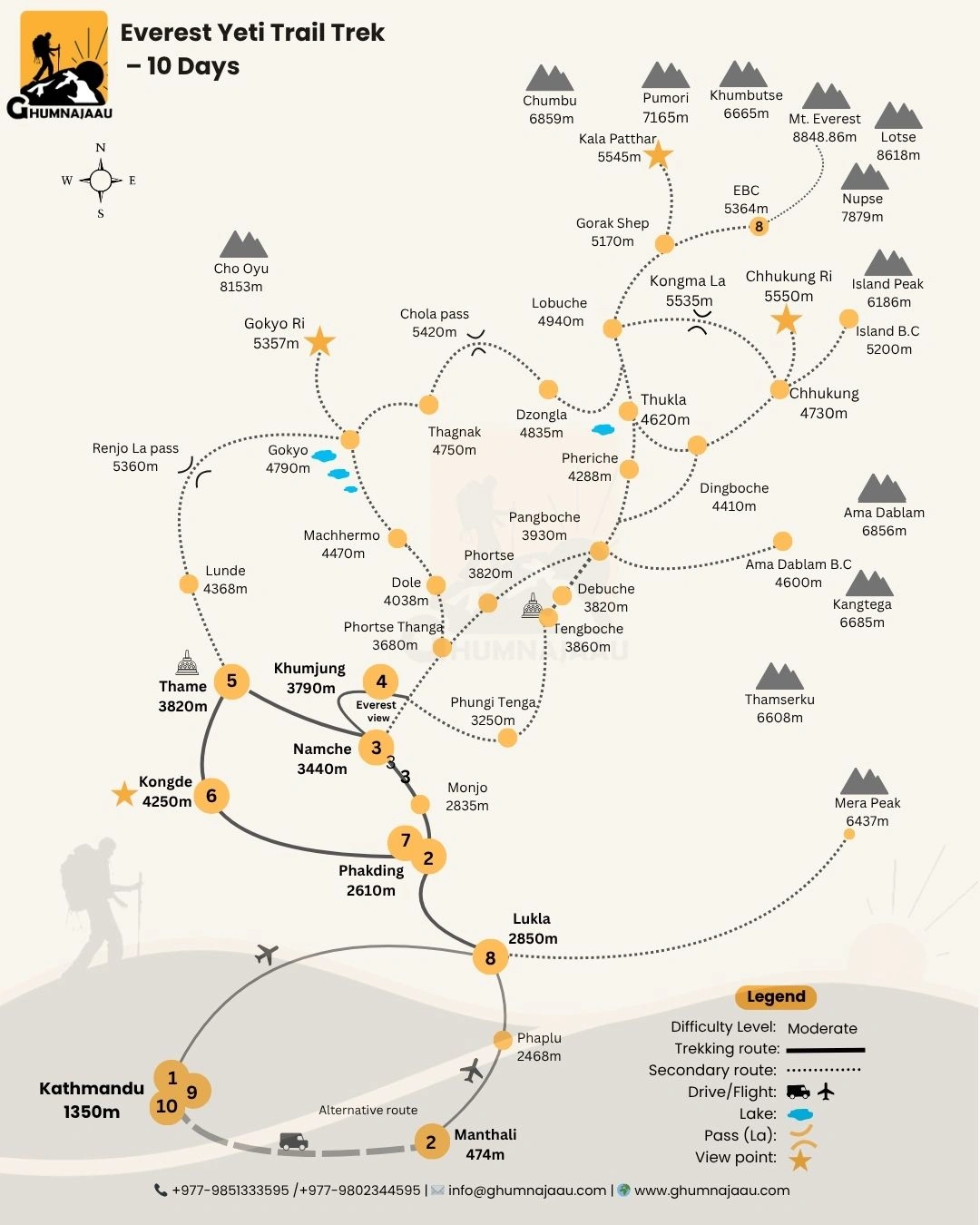
The trek is considered moderate and suitable for trekkers with good physical fitness.
The highest point is Kongde at 4,250 meters (13,944 feet).
Previous trekking experience is helpful but not mandatory.
You need the Sagarmatha National Park Permit and Khumbu Pasang Lhamu Rural Municipality Permit.
Yes, proper acclimatization and hydration are important to reduce altitude sickness risks.
Accommodation includes teahouses and mountain lodges with basic but comfortable facilities.
WiFi and charging facilities are available in most villages for additional charges.
Spring (March–May) and Autumn (September–November) are the best seasons.
Yes, solo travelers can join private or group departures.
The trek includes a visit to Khumjung Monastery, famous for preserving the legendary Yeti relic, adding mystery and cultural significance to the journey.