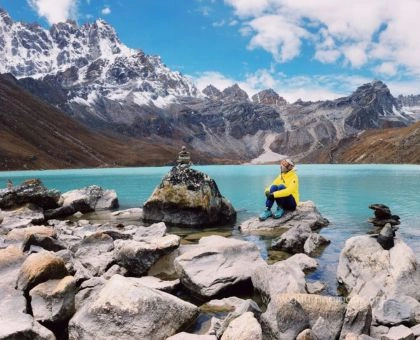
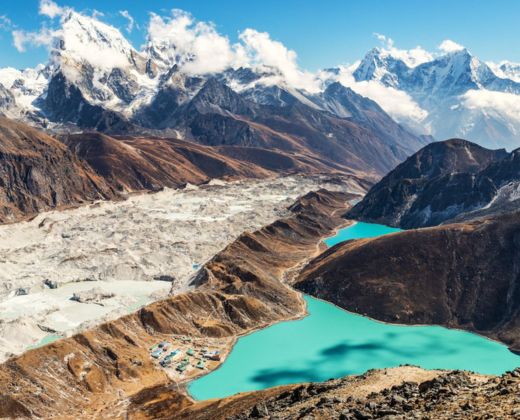
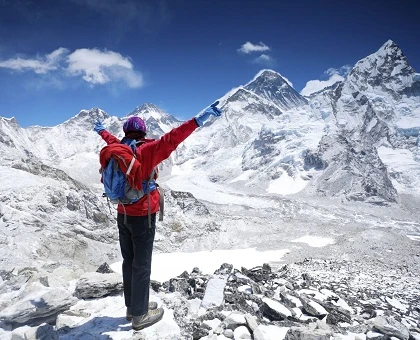
The Renjo La Pass Trek is a breathtaking Himalayan adventure through the peaceful trails of the Everest region, offering mesmerizing mountain panoramas, pristine Gokyo Lakes, ancient Sherpa villages, and the thrilling crossing of the spectacular Renjo La Pass (5,360m). Perfect for trekkers seeking both adventure and serenity, this journey combines untouched alpine beauty, rich Buddhist culture, and unforgettable Everest landscapes away from the busy trekking routes.
The Renjo La Pass Trek is one of the most scenic and less crowded trekking adventures in Nepal’s Everest region. This remarkable journey takes trekkers through remote Himalayan landscapes, charming Sherpa settlements, sacred monasteries, glacier valleys, and the pristine Gokyo Lakes before crossing the famous Renjo La Pass.
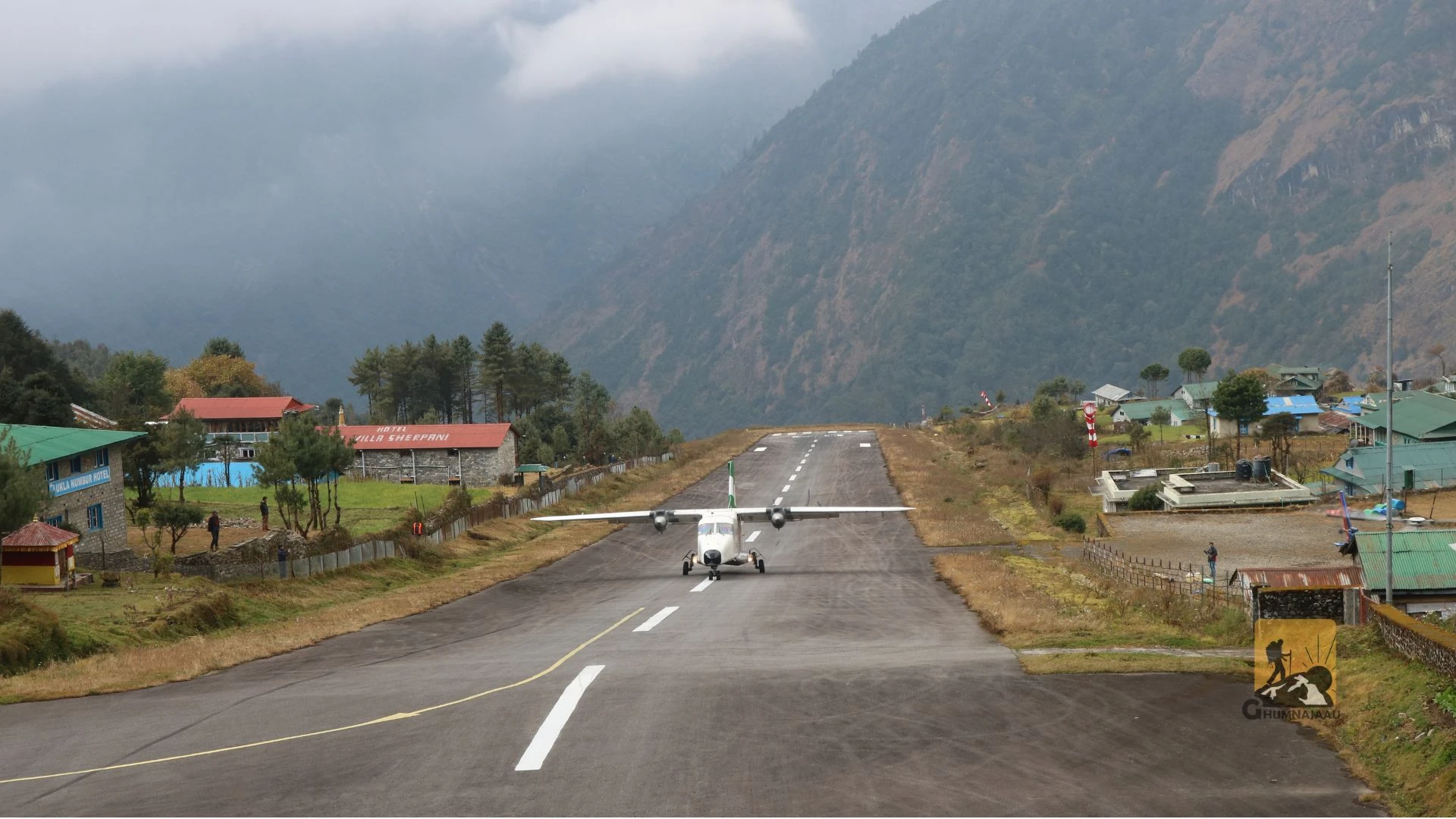
The trek begins with a thrilling mountain flight from Kathmandu to Lukla, the gateway to Everest. From Lukla, the trail gradually ascends through beautiful forests of pine, rhododendron, juniper, and fir while passing traditional Sherpa villages such as Phakding, Namche Bazaar, and Thame.
Namche Bazaar, known as the Sherpa capital, offers a vibrant mountain atmosphere with local markets, bakeries, museums, and stunning Everest views. The trek continues into quieter valleys toward Thame and Lungden, where trekkers can experience authentic mountain lifestyles and centuries-old Buddhist traditions.
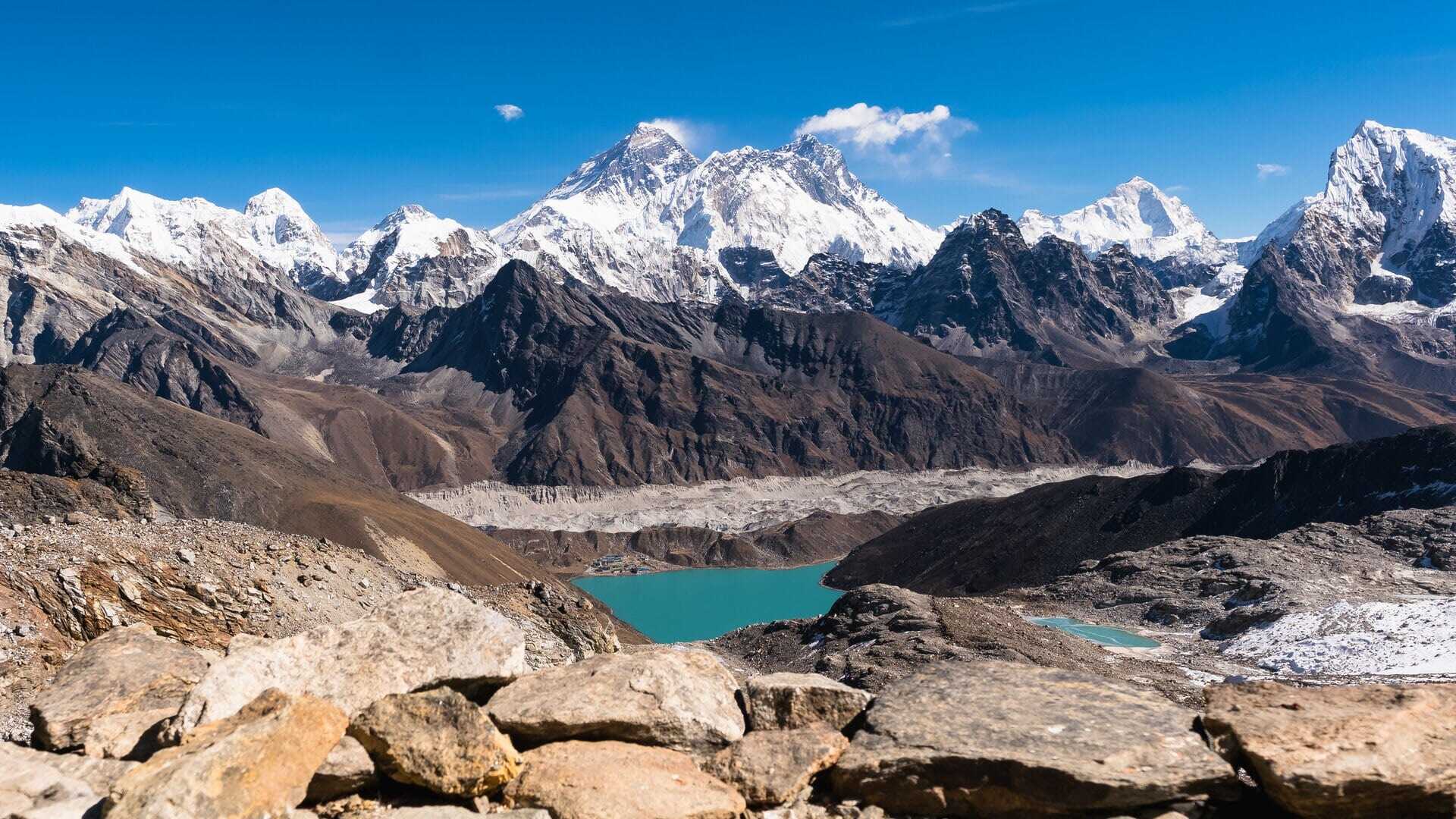
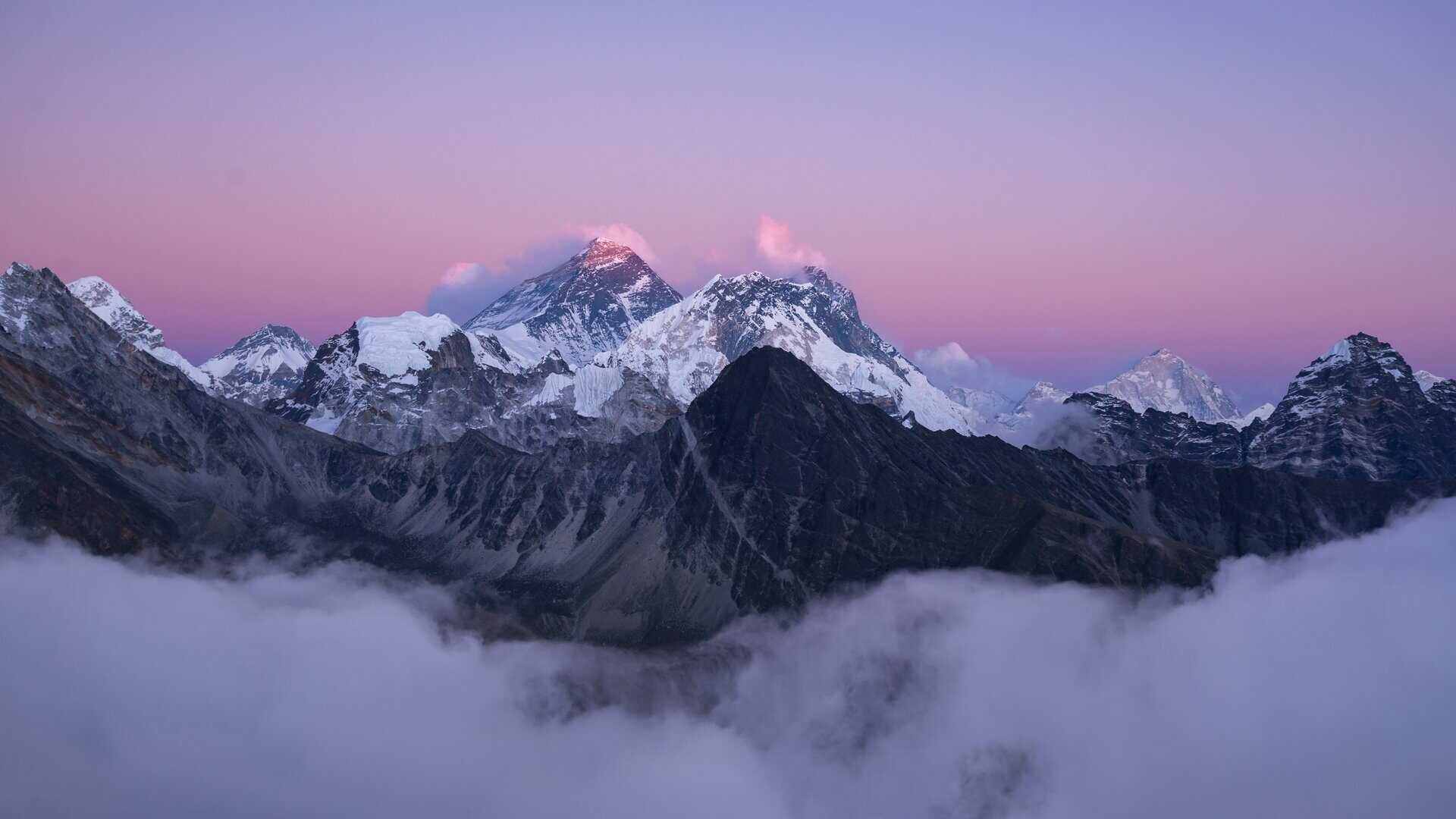
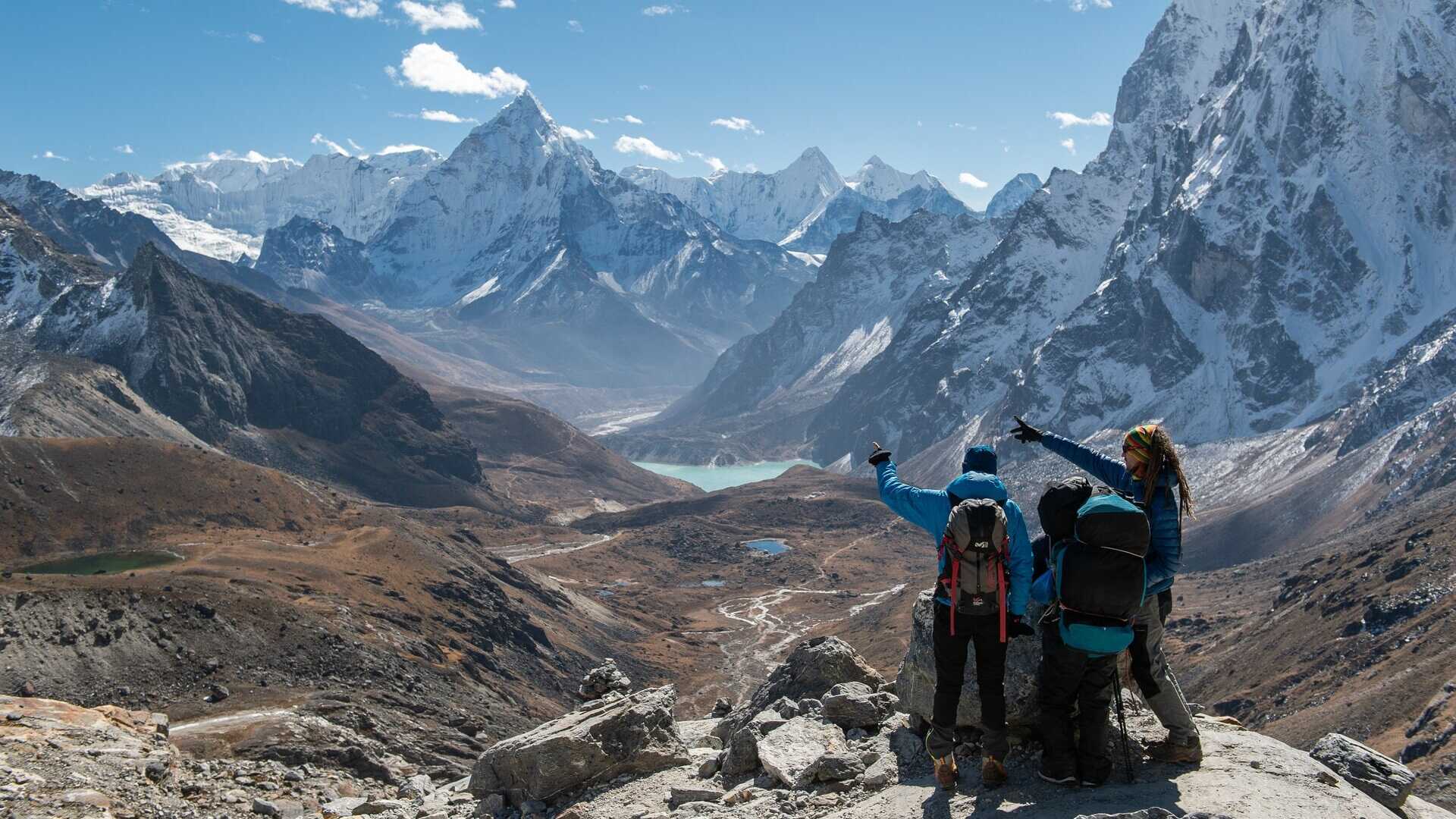
The major highlight of the trek is crossing Renjo La Pass (5,360m), one of the three high passes of the Everest region. From the top, trekkers are rewarded with an unforgettable panorama of Everest, Cho Oyu, Lhotse, Makalu, and the shimmering Gokyo Lakes below.
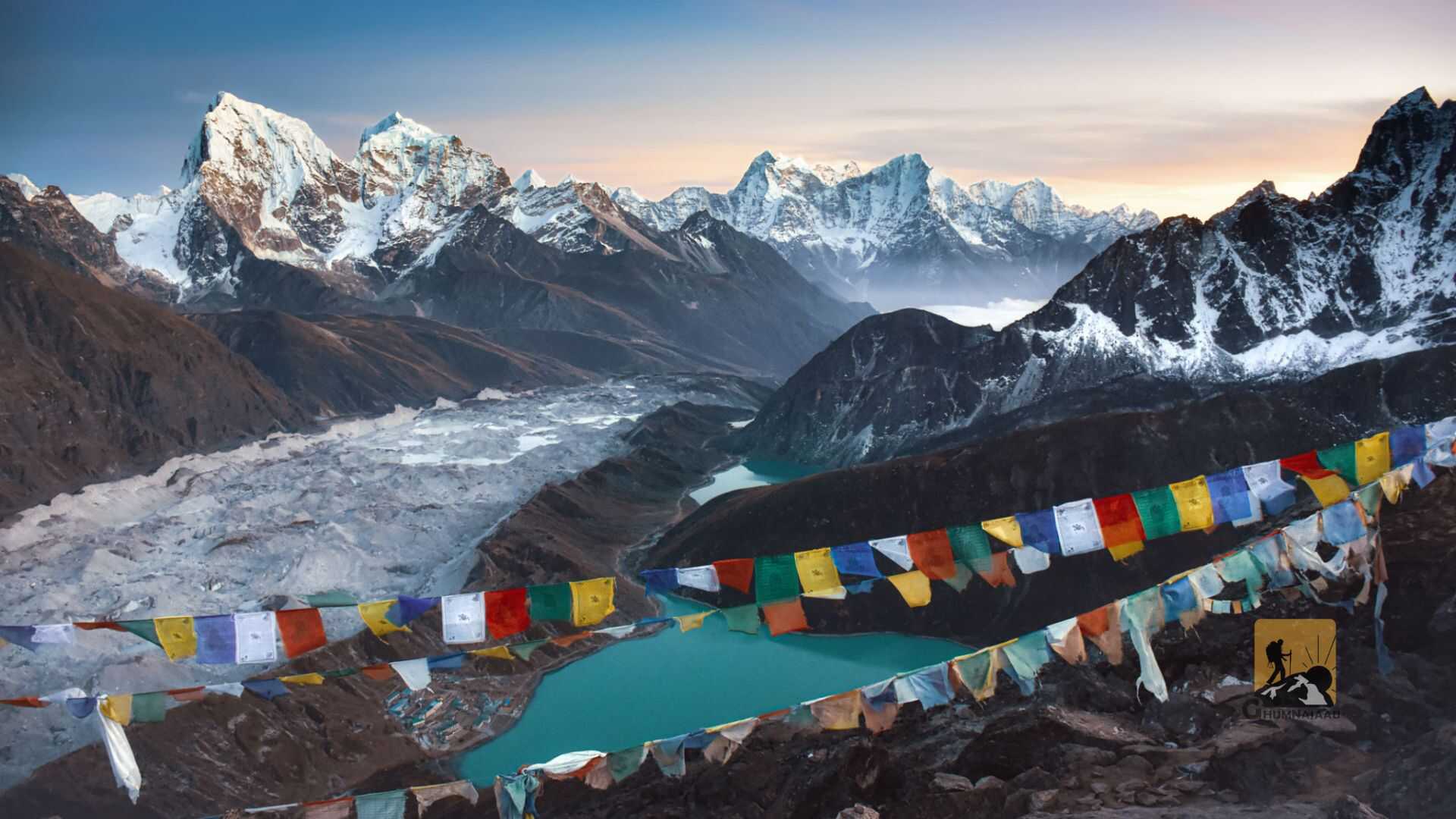
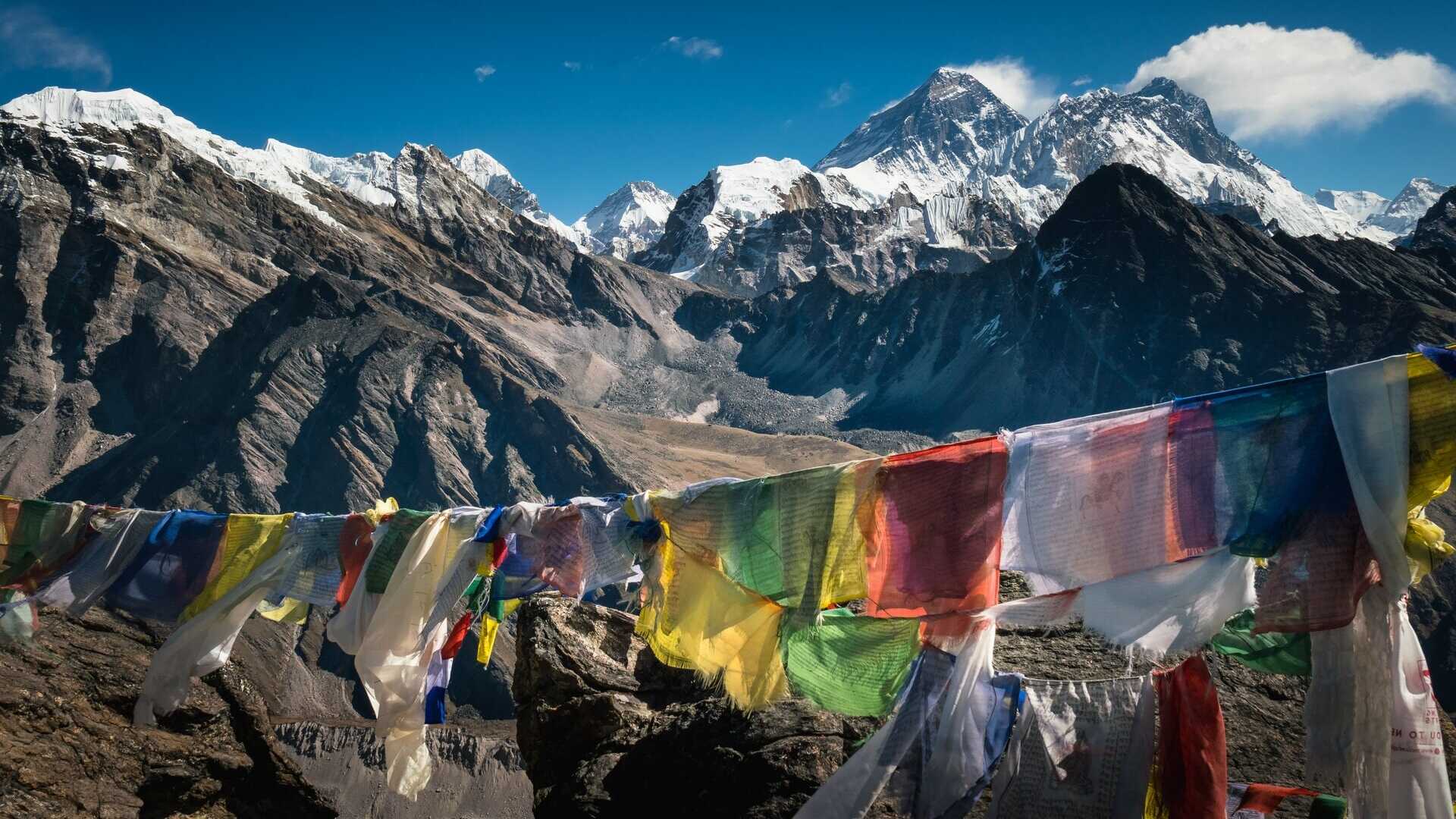
The trail also passes through Sagarmatha National Park, a UNESCO World Heritage Site home to Himalayan wildlife such as musk deer, Himalayan tahr, snow leopards, pheasants, and yaks. Along the route, colorful prayer flags, mani walls, chortens, and monasteries reflect the deep-rooted Buddhist culture of the Khumbu region.
Unlike busier Everest routes, the Renjo La Pass Trek provides a more peaceful trekking experience, making it ideal for travelers who seek adventure, solitude, and authentic Himalayan beauty.
The Renjo La Pass Trek stands out as one of the most rewarding alternatives to the classic Everest Base Camp Trek. While it offers spectacular Everest views, it remains far less crowded, allowing trekkers to enjoy peaceful mountain trails and untouched natural beauty.
This trek is ideal for adventure lovers who want a combination of high mountain passes, glacial lakes, Sherpa culture, and remote Himalayan landscapes. The dramatic scenery from Renjo La Pass and the stunning Gokyo Lakes create a truly unforgettable trekking experience.
Travelers also appreciate the rich cultural immersion in traditional Sherpa villages where ancient Buddhist traditions continue to shape daily life. The trek combines physical challenge, cultural discovery, and extraordinary Himalayan scenery in one complete adventure.
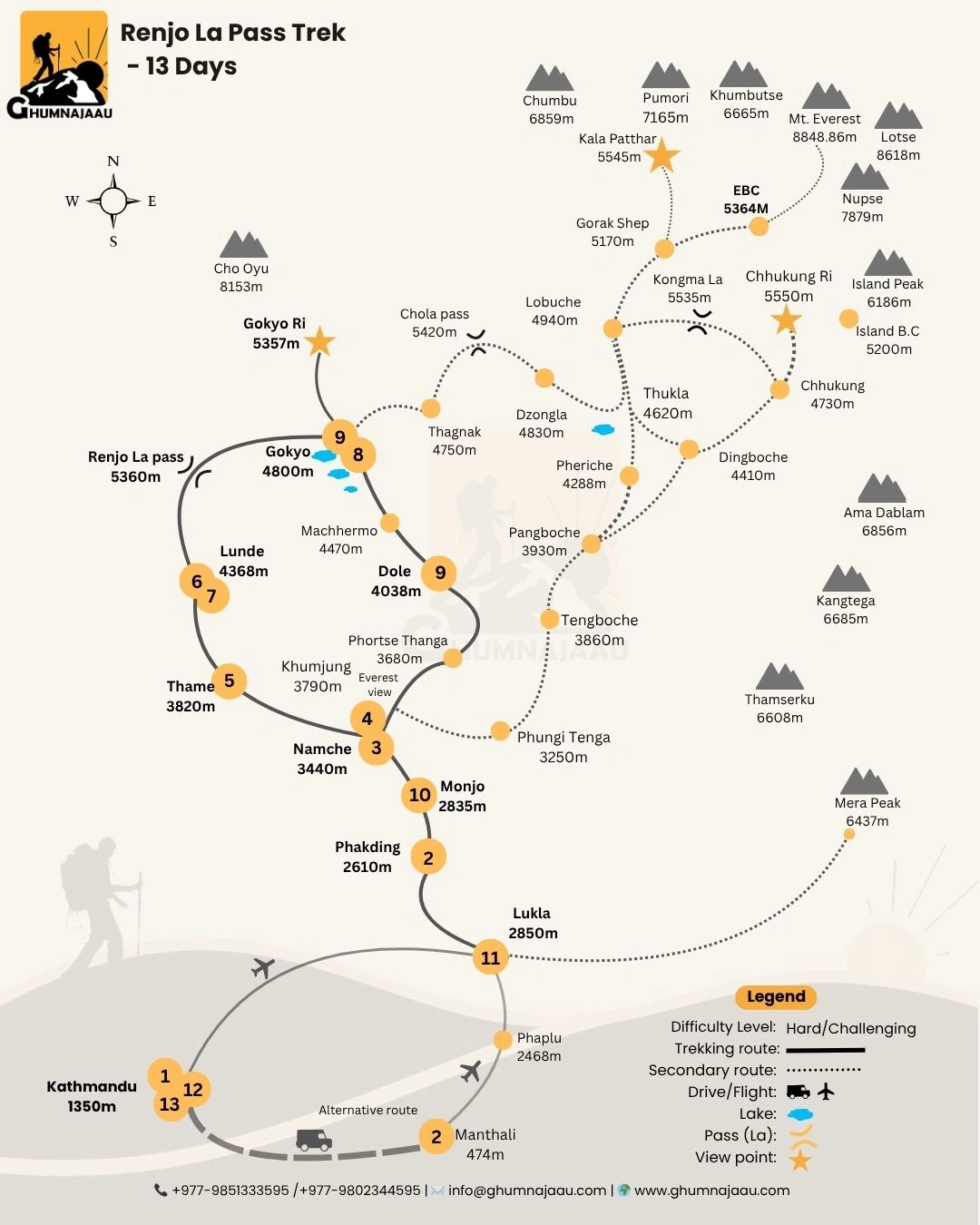
Day 01: Arrival in Kathmandu (1,350m)/Airport pickup and hotel transfer
Day 02: Fly to Lukla (2,850m) & Trek to Phakding (2,610m)/Flight: 35 minutes + 3–4 hours (8 km)
Day 03: Trek to Namche Bazaar (3,440m)/ 6–7 hours (11 km)
Day 04: Acclimatization Day at Namche Bazaar/Hike to Hotel Everest View (3,880m) |3–4 hours
Day 05: Trek to Thame (3,820m)/ 5–6 hours (9 km)
Day 06: Trek to Lungden (4,380m)/5–6 hours (10 km)
Day 07: Acclimatization at Lungden/ rest for altitude adjustment
Day 08: Cross Renjo La Pass (5,360m) & Trek to Gokyo (4,790m)/7–8 hours (13 km)
Day 09: Explore Gokyo Ri (5,357m) & Trek to Dole (4,200m)/6–7 hours
Day 10: Trek to Namche Bazaar/Monjo/5 - 8 hours (15 km+ )
Day 11: Trek to Lukla/ 6–7 hours (18 km)
Day 12: Fly Back to Kathmandu/ 35 minutes
Day 13: Final Departure
The Renjo La Pass Trek is considered a strenuous trekking adventure due to its high altitude, long walking days, and steep mountain trails. Trekkers should have good physical fitness and prior hiking experience is highly recommended.
Crossing Renjo La Pass at 5,360 meters requires proper acclimatization and endurance. Daily trekking typically involves 5–8 hours of walking on rocky and uneven terrain.
Altitude sickness can affect trekkers above 3,000 meters, so gradual ascent, hydration, and acclimatization days are essential for safety and comfort.
Accommodation during the trek is mainly in local teahouses and mountain lodges offering twin-sharing rooms with basic but comfortable facilities. In Kathmandu, travelers stay in a standard hotel with breakfast included.
Meals on the trek include a variety of Nepali, Tibetan, and international dishes such as Dal Bhat, noodles, soups, fried rice, pasta, pancakes, eggs, tea, and coffee. Vegetarian options are widely available.
Most lodges provide electricity charging, hot showers, and Wi-Fi services for an additional cost. Facilities become more basic at higher elevations.
The Everest region is home to the Sherpa community, known worldwide for their mountaineering skills, warm hospitality, and deep Buddhist traditions. Throughout the trek, travelers encounter ancient monasteries, prayer wheels, mani stones, and colorful prayer flags.
Villages such as Namche, Thame, and Gokyo provide insight into the traditional Himalayan lifestyle. Trekkers may also witness Buddhist ceremonies, yak caravans, and local farming practices.
The region’s spiritual atmosphere and welcoming local culture create a meaningful cultural experience beyond the adventure itself.
The Renjo La Pass Trek begins with a scenic domestic flight from Kathmandu (or Manthali during peak seasons) to Lukla.
Transportation Summary:
Airport transfers in Kathmandu are arranged in private tourist vehicles.
Ready to experience the hidden beauty of the Everest region? Join the Renjo La Pass Trek with Ghumnajaau and discover breathtaking Himalayan landscapes, peaceful mountain trails, authentic Sherpa culture, and the unforgettable adventure of crossing one of Nepal’s most spectacular high passes.
Contact us today to customize your trip, check departure dates, and reserve your Himalayan adventure.
Upon arrival at Tribhuvan International Airport in Kathmandu, We're grateful for the warm welcome extended by our official. We will take you to the hotel in our private tourist vehicle. Pre-trip meeting will be done and you will meet with your trip guide. Make sure to confirm your queries about trekking in the mountains.
Manthali (Manthali) to Lukla Flight (March, April, May, October, and November)
During peak seasons, such as March, April, May, October, and November, the flight to Lukla will be operated from Ramechhap/Manthali due to air traffic expansion. The Manthali/Ramechhap airport is about a 5 to 6 hours drive away from Kathmandu. On this day we wake up at 1:30 to 2:30 am and take an escorted shuttle to Manthali airport on a shared tourist vehicle and board a 20-minute flight to Lukla.
Kathmandu to Lukla Flight (January, February, June, July, August, September, and December)
During the 35-minute flight from Kathmandu to Lukla (9,186ft), we enjoy one of the most beautiful air routes in the world culminating on a hillside surrounded by high mountainous peaks. At Lukla, a gateway destination from where our trek begins, we meet our other crew members and begin packing and arranging with them. From Lukla, we start trekking. At one hour’s gradual descent, we will be at a Cheplung village from where we have a glimpse of Mt. Khumbila (18900 ft), a sacred mountain which has never been climbed. From Cheplung, we then gradually descend until we reach Phakding and spend the night.
We trek along Bhote Koshi River and enter Sagarmatha National Park by passing Monjo village. After entering the park, we trek through lush forests of rhododendron to reach the commercial hub of Khumbu region in Namche Bazaar. Namche Bazaar is a picturesque Sherpa town with well-facilitated hotels, restaurants, pubs, and markets. Overnight at a lodge in Namche Bazaar.
Stumbling across many Chortens, stupas, and monasteries, we trek along Bhote Koshi River on our way to Thame. Relishing the superb panorama of the Himalayas, we run into some villages and monasteries before reaching Thame. Walking on the riverbed of Bhote Koshi and crossing the river several times, we arrive in Thame. Overnight at a lodge in Thame.
We acclimatize ourselves to high altitude. We take a short hike to Thame Dechen Chokhorling Monastery, an ancient monastery which hosts splendid view of Mt. Everest (8848) and Mt. Cho Oyu (8201m). We then return back to Thame and explore the small Sherpa village of the "snow leopard" Apa Sherpa, who has scaled Mt Everest 21 times. Overnight at a lodge in Thame.
Climbing the steep moraine, we continue our trek. We trek along the ancient route used by the traders to transfer goods across Tibet via Nangpa-La. Following Bhote Koshi River upstream, we reach several monasteries as we walk past small villages of Yilajung, Taranga, and Dinjung before reaching Lumde. Enjoying the Mountain View in the background, we reach Lumde. Overnight at a lodge in Lumde.
The big day is here. We trek along steep trails and climb few glacial moraines to reach Renjo-La which hosts absolutely mind-blowing view of Cho Oyu (8201m), Everest (8848m), Lhotse (8516m), Cholatse (6440m), Taboche (6367m), and other Himalayas along with the Gokyo Lakes and Ngozumpa Glacier, the longest glacier in the Himalayas. After relishing the stunning vista, we descend to the third Gokyo Lake behind which the small village of Gokyo is located. Overnight at a lodge in Gokyo.
We take an early morning hike to Gokyo Ri where we observe the magnificent panorama of Mt. Everest (8848m), Nuptse (7861m), Makalu (8481m), Lhotse (8516m), Cho Oyu (8201m), Pumori (7161m), Ama Dablam (6856m), and the other Himalayas. We then descend through steep trails and trek along Dudh Koshi River on the moraines of Ngozumpa Glacier till we reach Machhermo. From Machhermo, we trek for a couple of hours to reach Dhole. Overnight at a lodge in Dhole.
Trekking along rocky trails, we pass dense forests of rhododendron till we reach Phortse Thanga. We then trek to Mongla and then descend till Kyangjuma. Following the rocky trails, we pass some monasteries and walk on stone steps through Mani walls on our way to Namche Bazaar. Overnight at a lodge in Namche Bazaar.
On the last day of our trek, we cross several suspension bridges over Bhote Koshi River to reach Lukla. We exit Sagarmatha National Park in Jorsalle and pass the villages of Monjo and Bengkar to arrive in Phakding. From Phakding, we pass several small villages, painted Mani walls, and prayer wheels to reach Lukla. Overnight at a lodge in Lukla.
We enjoy the panorama of the Himalayas for the last time on our flight back to the capital from Lukla. After 30 minutes flight we will Kathmandu, you will have the day to yourself.
Lukla to Manthali Flight (March, April, May, October, and November)
The flight from Lukla to Manthali is a 20-minute flight. After that, it is about a 5 to 6 hour drive to Kathmandu. Please note that the driving hours may vary according to the highway traffic condition. You’ll be transferred to the hotel in Kathmandu on a shared tourist vehicle.
Lukla to Kathmandu Flight (January, February, June, July, August, September, and December)
The flight from Lukla takes about 35 minutes. After arriving at the airport, you will be transferred to the hotel in Kathmandu via a shared tourist vehicle. Please be aware that the decision regarding the operation of flights solely depends on the airline and is influenced by the volume of travelers during a specific month.
It’s the end of our exciting journey in the Everest region. Today we conclude our 12-13 days Renjo La Pass Trekking. One of our airport representatives will accompany you to the International Airport for your flight back home.
We bid you farewell, and hoping you’ll travel to Nepal again.
The trek is considered strenuous due to high altitude, long walking days, and steep mountain trails.
The highest point is Renjo La Pass at 5,360 meters (17,585 feet)
Previous trekking experience is highly recommended, especially for high-altitude trekking.
Trekkers need the Sagarmatha National Park Permit and Khumbu Rural Municipality Permit.
Altitude sickness is possible above 3,000 meters, so acclimatization and hydration are important.
Accommodation includes local teahouses and lodges with basic mountain facilities.
Spring (March–May) and autumn (September–November) are the best trekking seasons.
Yes, most teahouses offer Wi-Fi and charging facilities for an extra charge.
Trekkers can enjoy Nepali, Tibetan, and international meals including Dal Bhat, noodles, soups, rice, eggs, and tea.
The route is less commercialized compared to Everest Base Camp Trek, making it ideal for peaceful trekking experiences.